Virgo Vetting Series
Personality is the invitation. Pattern recognition, discernment, and accountability are the discussion.
Explore human behavior, challenge assumptions, and learn to distinguish what you notice from what you know.
Try the Mind & Perception Quiz →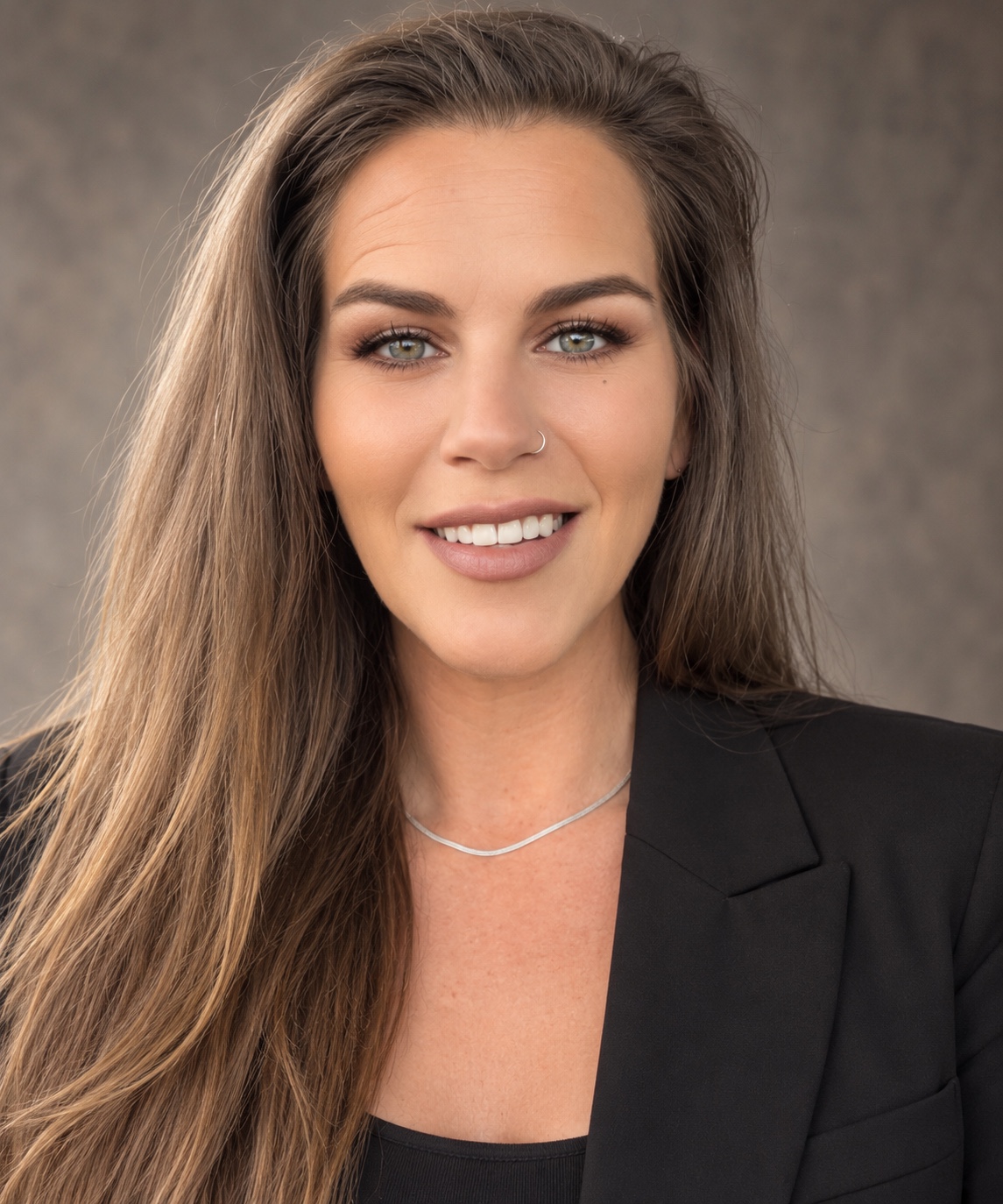
Thoughtful conversations about perception, accountability, boundaries, and the patterns behind human behavior.
Personality is the invitation. Pattern recognition, discernment, and accountability are the discussion.
Explore confirmation bias, selective attention, cognitive blind spots, and why appearances can mislead.
Examine the difference between empathy and enabling, independence and hyper-independence, and traits versus diagnoses.
Six starting points for exploring how we think, interpret, feel, and relate. Tap any topic to explore an explanation, everyday example, misconception, and reflection question.
Confirmation bias is the tendency to seek, interpret, or remember information in ways that support existing beliefs.
You believe someone is dishonest, so you remember their inconsistencies but overlook occasions when they were transparent.
One example does not establish a pattern; disagreement is not automatically proof of bad intent.
What evidence would change my mind?
Attention, expectations, context, and prior experiences shape perception. A psychological “blind spot” is a metaphor, not a clinical diagnosis.
A delayed reply feels like rejection, although the person might simply be busy.
A strong feeling about what happened is not the same as knowing another person’s motive.
What did I actually observe, and what did I infer?
Narcissistic traits, such as seeking admiration or acting entitled, vary across people and situations. Narcissistic personality disorder requires a professional clinical assessment.
Someone dismisses criticism or tries to dominate a conversation. That behavior can be discussed without diagnosing them.
A single selfish act—or a social-media comment—does not establish a personality disorder.
Can I describe the behavior without assigning a diagnosis?
Emotional intelligence involves recognizing, understanding, and managing emotions, as well as responding thoughtfully to others.
You notice a tense tone and ask whether something is wrong instead of assuming the person is angry with you.
Empathy does not mean mind-reading, agreeing with everyone, or tolerating harmful behavior.
Am I responding to what was said, or to the story I formed about it?
Healthy boundaries communicate what you will or will not participate in; attempts to control others dictate what they must do.
“I will end this conversation if I am insulted” sets a boundary. “You are not allowed to disagree with me” attempts control.
Having boundaries is not inherently selfish, and enforcing them does not require punishing someone.
Does this statement define my response or demand control over theirs?
Critical thinking means evaluating evidence, considering alternative explanations, and revising conclusions when better information appears.
A convincing video clip seems to prove a claim, but you check the original context before sharing it.
Confidence, repetition, and popularity do not make a claim true.
What is the source, what is missing, and what else could explain this?
Educational content for reflection, not individual psychological assessment or diagnosis.
Virgo is the hook. Psychology is the conversation. Watch the content, then explore the concepts behind it.
Observing behavior isn't the same as revealing everything you know. Explore the difference between discernment, assumptions, and critical thinking.
How stereotypes and expectations can shape the way we interpret people. Explore the role of confirmation bias and cognitive blind spots.
Educational discussion only. Personality stereotypes are not psychological diagnoses.
What does it mean when someone behaves differently than you expected?
Ladymills Media is a space for conversations about human behavior, personality, and the assumptions we make about one another. The Virgo theme draws you in; psychology invites you to look closer.
Content is educational and conversational, not a clinical assessment or diagnosis.
Explore on Instagram ↗